Description
This is a great hybrid that is easy to grow:
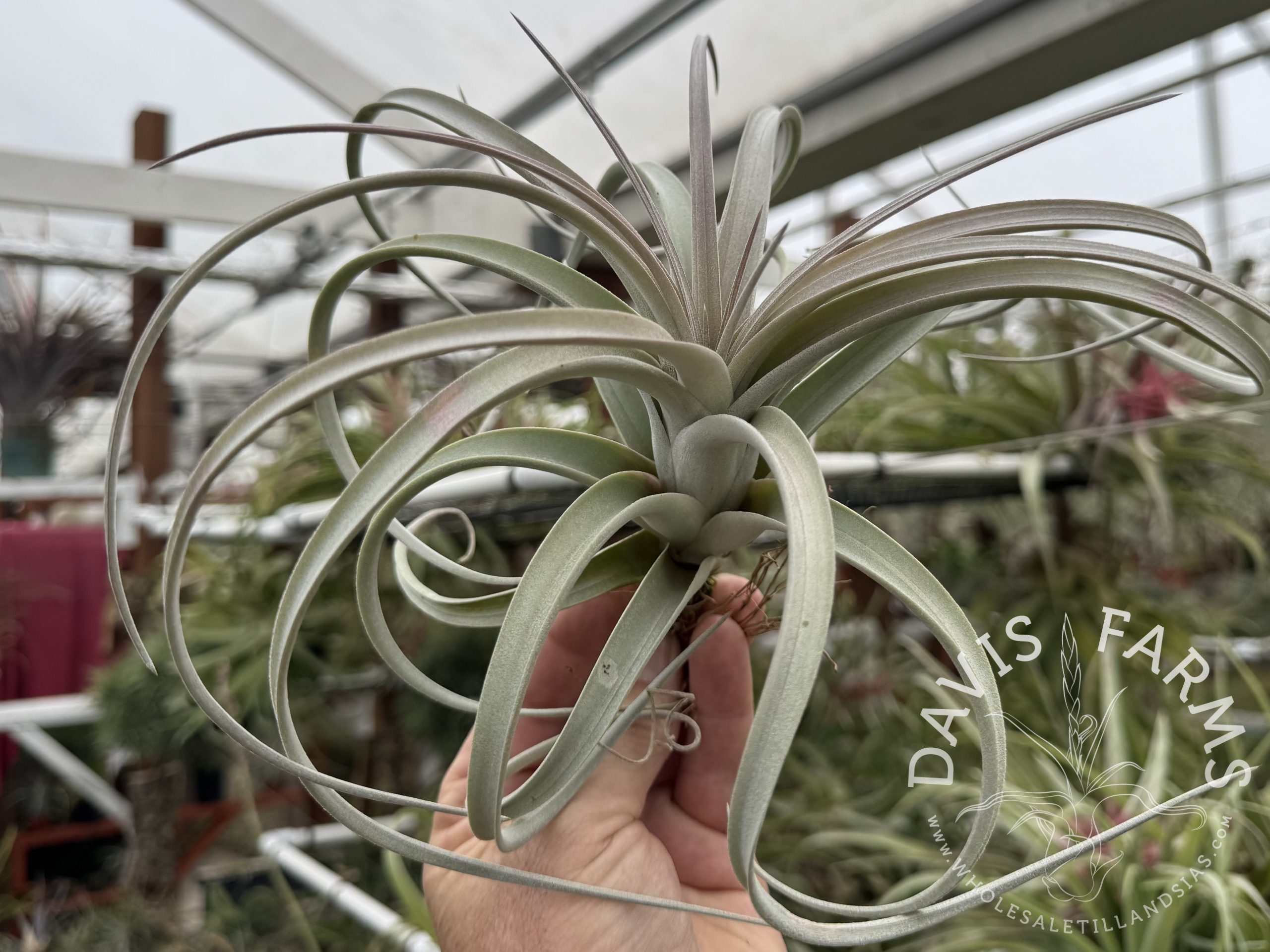
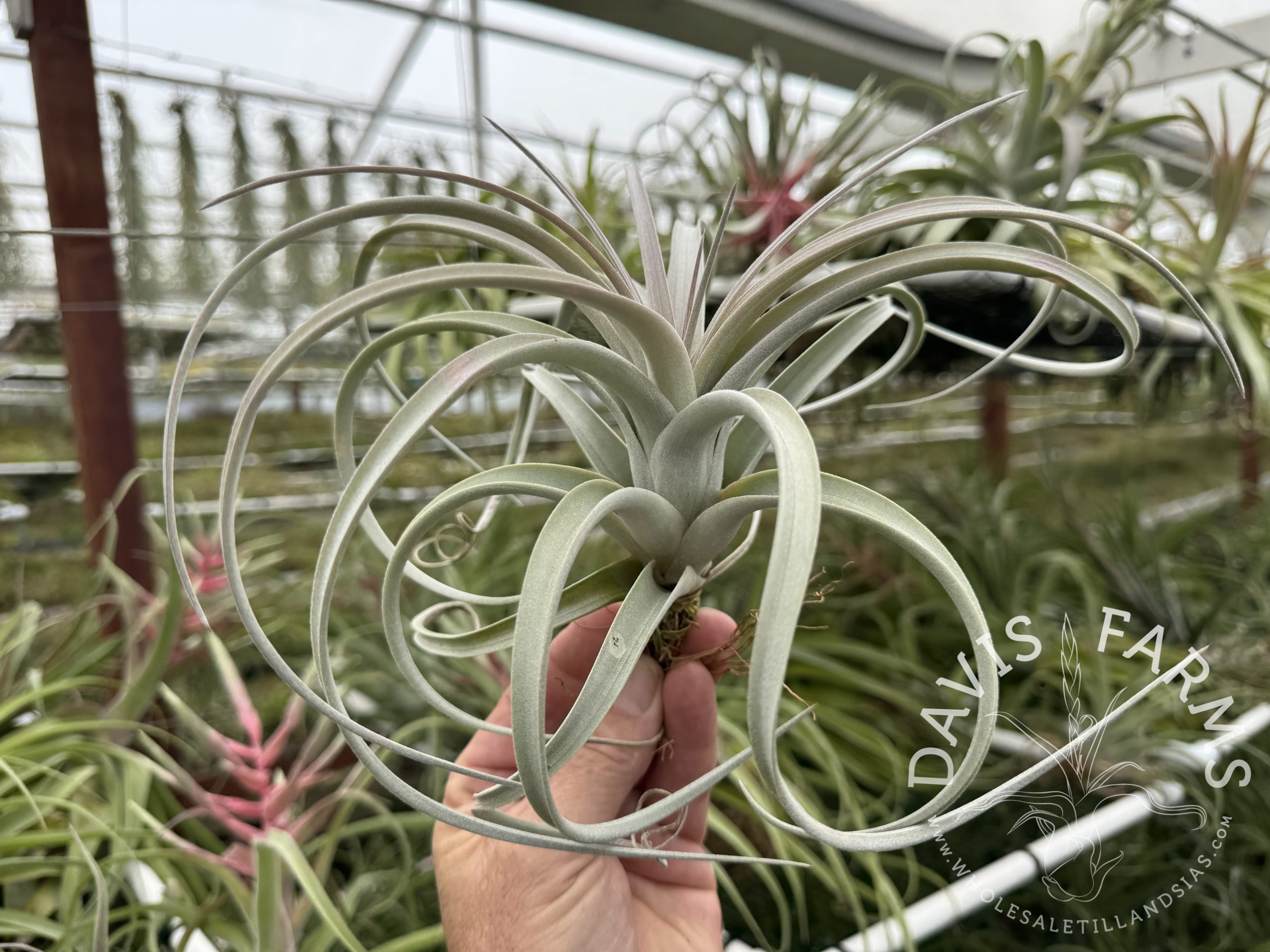
- Parentage and habit: A hybrid between the large, sculptural T. xerographica and the smaller, strappy T. exserta. It combines xerographica’s broad, silvery, curly rosette with exserta’s more compact habit and often brighter inflorescence/leaf tones.
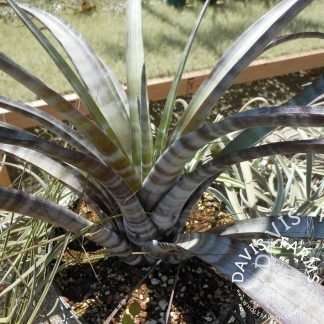
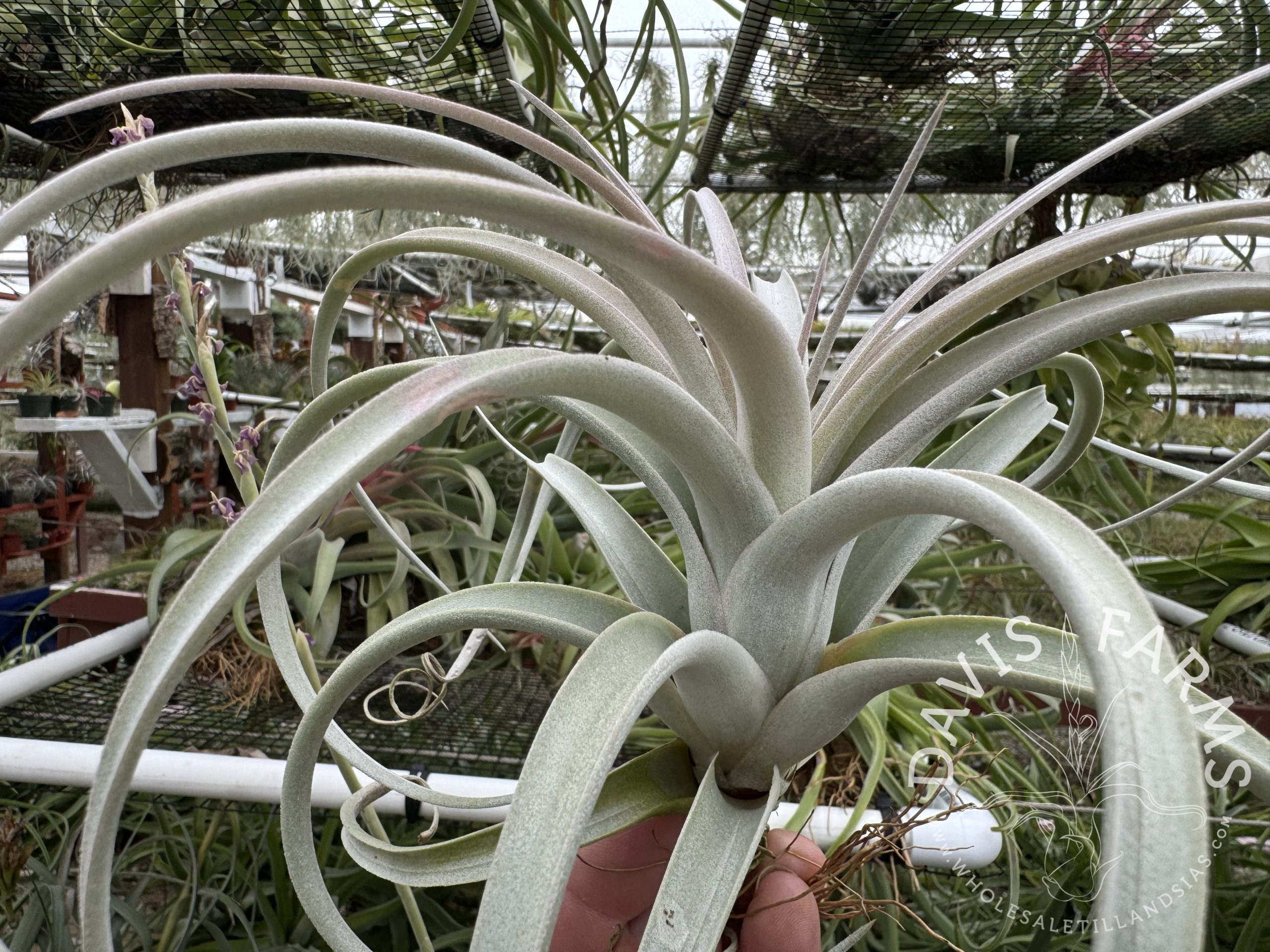
- Appearance: Rosette-forming, often medium‑to‑large (varies by clone) with thick, arching to corkscrew leaves covered in trichomes giving a silvery to pale green color. Leaves may be stiffer than pure exserta and less dramatically curled than pure xerographica. Flower spikes typically show vivid magenta/pink bracts and tubular flowers that can be red, purple or blue depending on genetics.
- Size: Usually similar size to the parents but have seen them grow larger due to hybrid vigor.
- Bloom: Produces a central or lateral inflorescence; blooms can be showy and long-lasting.
- Light: Bright, strong indirect light. Tolerates some morning or late afternoon sun; avoid prolonged hot midday sun on exposed leaves, which can scorch.
- Humidity & air flow: Prefers good air circulation and moderate humidity (40–70%). Excellent ventilation reduces rot risk.
- Temperature: Best between 50–90°F (10–32°C). Protect from frost.
- Mounting/substrate: Grows well mounted on wood, cork, or in open displays. No potting soil. Secure with wire/glue if needed, but avoid trapping moisture at the base.
- Fertilizer: Light monthly or biweekly foliar feeding (dilute bromeliad/air plant fertilizer, 1/4–1/2 strength) during growing season enhances color and flowering.
- Propagation: By pups produced after or sometimes before blooming; separate when pups are ~1/3–1/2 the size of the mother.
- Common issues: Overwatering and poor airflow → rot; too little light → weak growth and less vibrant bloom color. Brown tips from sun/scorch or underwatering.
Overall, Crowing Glory is prized for its sculptural, silvery rosette with colorful, showy blooms — a striking intermediate between xerographica’s dramatic form and exserta’s bright inflorescences.